
How we scope a project before quoting
· Live Lias
Most projects that go wrong were priced before anyone understood them. The estimate was not dishonest; it was produced too early, and everything after it was spent defending a number rather than solving a problem.
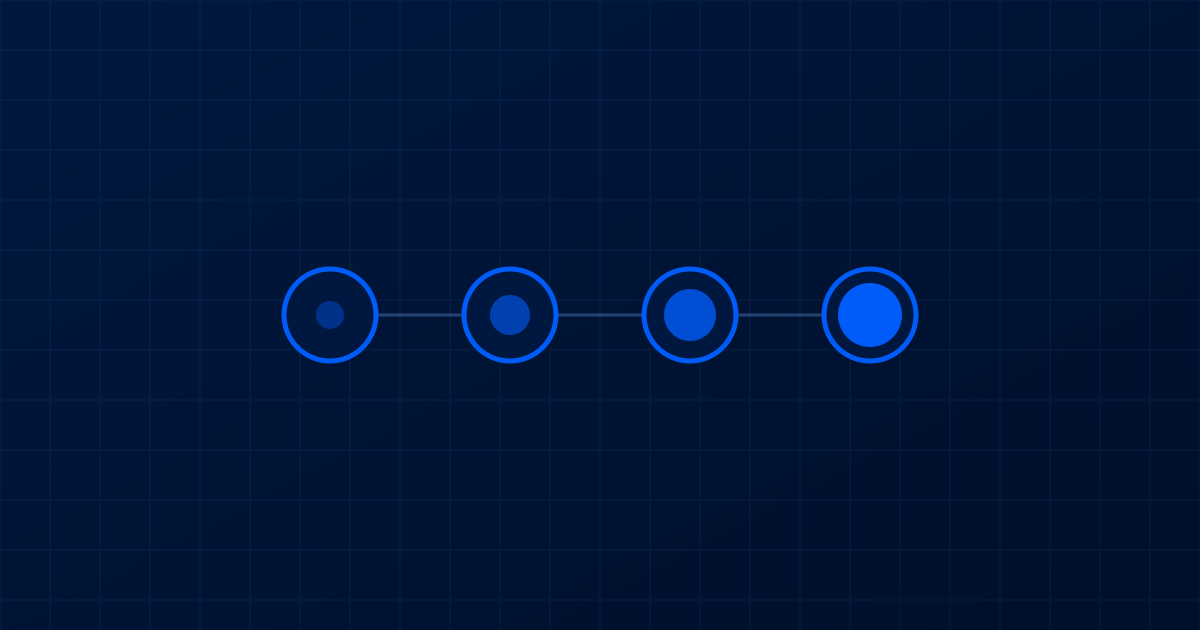
We work through four steps, in order, and the first one decides whether the rest happen.
Discover. We want to know what the business does, who it serves, and what has to be different when this is finished. The single most useful question is what number has to move, because it converts a wish into something checkable. If nobody can name one, that is worth knowing before either of us commits.
Design. We shape a solution — the brand, the user experience, the architecture — against what we learned. This is where alternatives get compared honestly, including the cheaper ones. If a simpler approach will do, that is what we say. We would rather lose the larger project than deliver one that was never needed.
Build. We engineer it, with quality built in rather than tested in afterwards. Work is shown while it is in progress, not revealed at the end, because the point of showing it is to change it while changing it is still cheap.
Grow. We put the recommendations into practice and measure against the number from the first step. This is the step most often skipped, and skipping it means nobody ever finds out whether the project worked.
Two things follow from this order. We will usually decline to quote on a specification we have not examined, because pricing someone else's assumptions is how both parties end up unhappy. And we will tell you before the contract if a deadline is unrealistic, rather than after it.
None of this is unusual. It is just the sequence that lets a number mean something.
- Process
- Working Together